
TIRANA, August 16 – Archaeologists in the south-western ancient city of Apollonia have uncovered a well-preserved bust of a Roman athlete, which they consider one of the rarest found during the past 50 years. The discovery was made last weekend by an Albanian-French team of archaeologists who traced the bust in the park’s Roman villa section.
“We think this object was hidden to save it in a difficult moment for the city, maybe during wartime,” said French archaeologist Jean-Luc Lamboley as quoted by local media.
The Roman bust has been found quite undamaged. Its carving method, especially the young man’s hairstyle, makes archaeologists believe the bust belongs to an athlete.
The Albanian-French expedition in the archaeological park of Apollonia says it will continue carrying out excavations until next September for the second year in a row.
The site was also visited on Tuesday by Culture Minister Ferdinand Xhaferraj and French Ambassador to Albanian Maryse Daviet.
Pledging support to archaeologists, minister Xhaferraj said such important finds further promote cultural tourism in Albania.
The Roman athlete’s bust is expected to be placed at the Apollonia archaeological museum which will soon reopen under a joint UNDP and UNESCO project.
Excavations in the Apollonia park began during World War I by Austrian archaeologists. The process continues as it is believed that most of the city is still deep below Apollonia’s hills.
Among the most striking remains are the six columns and facade of the Monument of Agonothetes (once part of the city’s administrative centre), from the second century A.D and the Odeon, a 300-seat theatre where the Roman Emperor Augustus studied in his younger days (today, it is occasionally the setting for concerts). The 13th century Monastery of St. Mary keeps the past protected, housing statues and other artefacts discovered in the process of excavation.
Rare Roman Athlete’s bust found in Apollonia

Change font size:
Latest from Culture
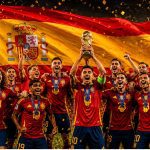
Spain Rules the World Again
Change font size: - + Reset Spain clinches second FIFA World Cup title as Europe continues its dominance on football’s biggest stage By Gautam Karve, Editor-in-Chief, World Media Organization Tirana Times, July
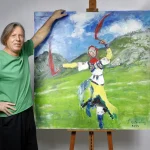
K’cimi dancing of Tropojë – Gazmend Freitag
Change font size: - + Reset by Monika Grill Tirana Times, July 11, 2026 – “K’cimi i Tropoja” – the dance that endured over centuries and kept the Albanian identity alive, has
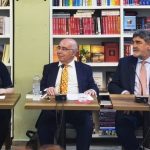
In Search of Albania’s Soul: Manuel Montobbio Returns to Tirana Through Literature
Change font size: - + Reset Tirana Times, July 02, 2026. The Albanian Institute for International Studies and Tirana Times book house hosted a special literary evening in Tirana with Ambassador Manuel Montobbio, diplomat, writer, poet

This Auditorium Comes With a Price Tag -Corruption in Albania’s Public Universities
Change font size: - + Reset Corruption remains one of Albania’s most stubborn obstacles toward development and its dream for European integration. Although the country marked its biggest historical leap in Transparency
The Heart Of A Patriot That Beats For The People
Change font size: - + Reset by Dr. Jorgji Kote Tirana Times, June 11, 2026 – ”Heart of a patriot” is the new book dedicated to Binali Yildirim, an outstanding political leader and personality