
TIRANA, July 17 – Albania’s National Gallery collection, whose artworks date back to the late 19th century marking the beginnings of Albania’s non-religious paintings, is being digitized. Suzana Varvarica, an art researcher, says the digital collection is being enriched with new data every day, assisting researchers with correct data on artwork dimensions and techniques.
The researcher tells reporters the digitalization process is being carried out in compliance with the law on artworks, archives and copyright.
“The full digitalization of works is not the same compared to five years ago, there is a quality step in this direction and you can find artworks documented in pictures, with physical and technical data and important descriptions of the history of the artwork. ”
The Albanian National Arts Gallery was originally founded in 1954 and moved to its current location on Tirana’s central boulevard in 1974. The national collection of visual arts ranges from a collection of religious icons ranging from to the 13th to the 19th century, works from the National Renaissance and Independence period (1883-1944), the biggest painting and sculpture collection in the country from the socialist realism period (1944-1990), as well as a foreign artists’ pavilion and rotating collections of contemporary national and international art.
Some of the most important annual exhibitions organized are “Marubi,” the International Artistic Photography Contest and “Onufri,” the International Visual Arts Contest. The Gallery is committed to promoting artists, associations and various artistic groups from the country as well as giving visitors access to significant and interesting traveling collections from abroad.
The gallery is surrounded by a lovely park, and as a special bonus at the rear of the building there are a few still-defiant Communist-era partisan statues clenching their fists at the sky, as well as imposing statues of Lenin and Stalin.
National gallery’s collection becomes digital

Change font size:
Recommended Articles


Latest from Culture
Where Art Meets Memory: The Gallery Kalo Journey
Change font size: - + Reset A Q&A with Gallery Kalo founder Përparim Kalo on art, cultural heritage and the gallery’s expanding vision along the Vjosa Valley. Introduction Gallery Kalo is more

Pride in Tirana Sends Message of Unity Against Hate
Change font size: - + Reset As Albania’s LGBTIQ+ community marches under the slogan “Together for Family,” activists say the real threat to family and society is not diversity, but hatred, exclusion

Pushing Against Inertia: How Harnex Is Testing the Balkans’ Appetite for Innovation
Change font size: - + Reset Tirana loves a good spectacle. Walk through the capital today and you are greeted by sleek new glass towers, vibrant urban spaces, and a relentless political
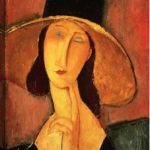
Modigliani Comes to Tirana as Kalo Gallery Expands Albania’s Cultural Horizon
Change font size: - + Reset Tirana Times, May 15, 2026 — Kalo Gallery, one of Tirana’s most prominent private cultural spaces, has opened an exhibition dedicated to Italian painter and sculptor Amedeo
The Forgotten Synagogue and the Belated Love for Jewish Culture
Change font size: - + Reset By Auron Tare These days, in the noisy marketplace of Albanian opinions, a new theme is being articulated: the “love” of certain Albanian public gentlemen for