TIRANA, June 24 – Internationally renowned Albanian artist Anila Rubiku is representing Albania at the 5th Thessaloniki biennale of contemporary art in Greece which in this edition focuses on “between the pessimism of the intellect and the optimism of the will.”
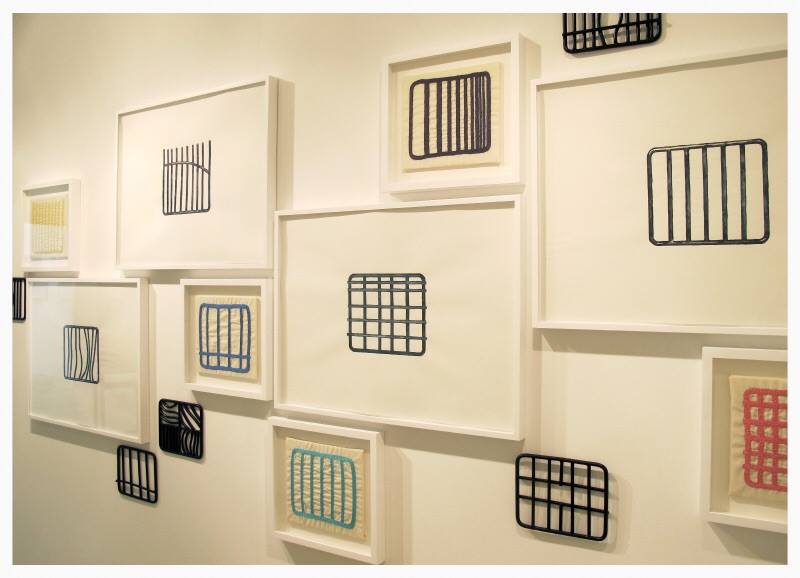
Rubiku, who in late 2014 was included in the Foreign Policy magazine’s list of Top Global Thinkers for 2014 for defacing dictators, is participating in the event with an installation called “Defiants; Portraits.”
“I’m happy to announce that yesterday I installed my work “Defiants’ Portraits #1-12” @ the 5th Thessaloniki Biennale “Between the pessimism of the intellect and the optimism of the will” curated by Katerina Gregos.” wrote Rubiku, 45, on her Facebook profile.
Exhibitions, art events, a performance festival, workshops, symposia, meetings, guided tours and educational programs will be featured 5th Thessaloniki Biennale of Contemporary Art which opened on June 23 and is scheduled to remain open until the end of September.
The artist who lives and works in between Toronto, Milan and Tirana grabbed international attention in November 2014 when she was included in the Foreign Policy magazine’s list of Top Global Thinkers for 2014.
“To my surprise yet delight, I find myself on a list that includes Kara E. Walker, Shigeru Ban, Alexander Ponomarev, Camile Henrot….. I’m pleased to announce that I have been included in Foreign Policy magazine’s list of Top Global Thinkers for 2014,” Rubiku wrote on her Facebook profile.
“All my life I have been told my thinking is somehow ‘strange or odd’. Turns out to be something that’s valued,” she adds.
Born in 1970, Anila Rubiku grew up in communist Albania that she once called “the most absurd country in the world”. Today, national alienation is a pervasive theme in her art. A recent work, “Effacing Memory” features sketches of 12 dictators and members of their inner circles with their faces erased – stripping the men of their power. An accompanying video documents her almost violent erasures of their visages. She saved Enver Hoxha, the communist who ruled over her homeland for 41 years, for last, writes the Foreign Policy about them.
In 2014 alone, Rubiku’s work has appeared in museums and galleries in Belgium, Albania, Montenegro and France. The artist crosses borders with equal frequency, ever attuned to the psychology of displacement.
Rubiku’s work includes drawings and installations. She has developed a unique way of actively incorporating local people into community projects that combine tradition and art, local history and a contemporary perspective, creating a fascinating new hybrid. She takes as her material: gender; architecture; memories and history.