ROME, Nov. 20 – For the first time in Italy, a show of 150 archeological finds on loan from Albanian museums are being displayed in Rome’s Complesso del Vittoriano museum. The exhibit includes earthenware, furnishings, objects for daily use, helms and shields, coins, devotional statues and icons, dating from prehistory through the 17th century. In terracotta and ceramic, bronze, copper and iron, marble and wood, the objects document not only the daily customs of a people but also its cultural and esthetic values, its traditions and its spiritual life.
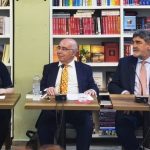
Titled ‘Treasures of the Albanian Cultural Identity’, the show seeks to rediscover and promote the European component of Albanian culture. ”It is a way to let the Italian public know about Albanian art and culture as we celebrate the centennial of our independence,” Albanian ambassador to Italy, Llesh Kola, told reporters at the show’s press launch.
The exhibit is divided into three sections. ”The prehistoric age, from the Neolithic to the Archaic age; antiquity, which goes from the fifth century to the high Middle Ages, and the Byzantine era,” curator Apollon Bace explained.
Albania is a little known and surprising country, its young Culture Minister Aldo Bumci said during a visit to Rome to inaugurate a show on ‘Treasures of the Albanian Cultural heritage’. The exhibit opened today until January 6 at the Complesso Vittoriano to mark the 100th anniversary of
Albania’s independence.
Albania, said Bumci, was freed ‘from five centuries of Ottoman domination and the ferocious Communist dictatorship’.
On November 28 celebrations will get into full swing. In 1912 Albania became a nation. ‘We are going through a unique period’, said the minister, after centuries during which the country was ruled by a number of populations, including the Greeks, Romans and Turks. Each population has left a mark on the country’s heritage and Albania has many archaeological sites as well as churches, mosques and castles.
‘We have three areas which are UNESCO world heritage sites: Butrinto, Argirocastro and Berat’, Bumci told ANSAmed.