 TIRANA, July 14 – Only two foreign troupes from Spain and Bulgaria will perform in this year’s Butrint international theatre festival which will be holding its 14th edition amid a sharp cut in financial support.
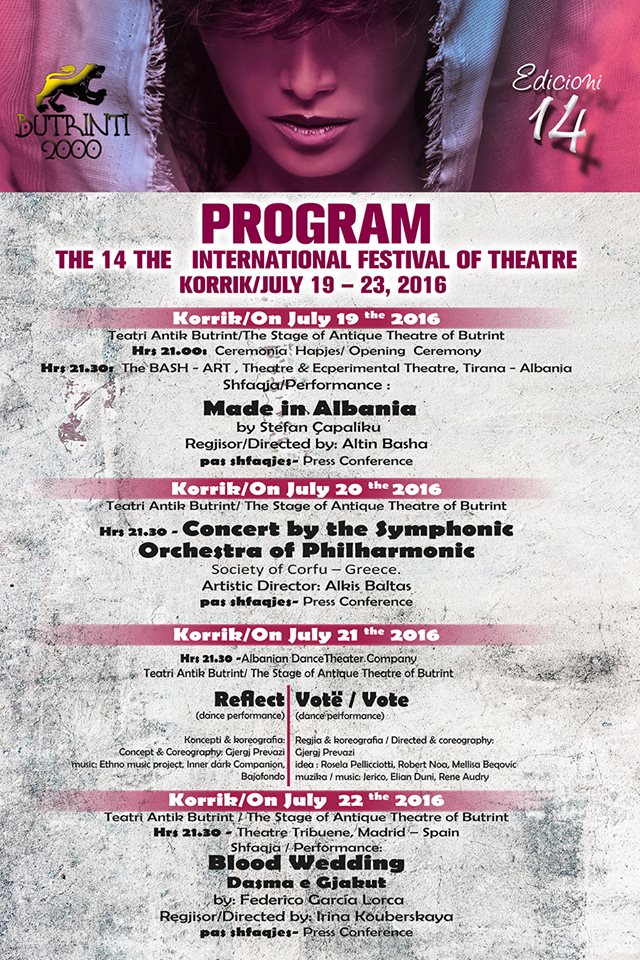
The four-day festival staged at the Roman amphitheater of the UNESCO World Heritage site of Butrint, in the southernmost Albanian district of Saranda, will open on July 19 with an Albania piece, the “Made in Albania” drama written by Stefan à‡apaliku and directed by Altin Basha.
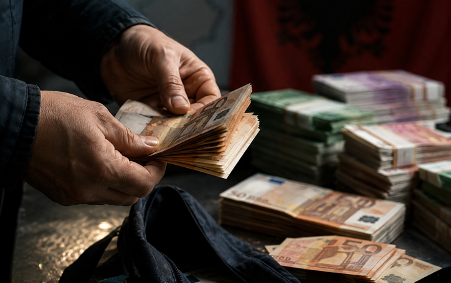
The drama brings the underground reality of dozens of thousands of Albanian women who work long hours at the booming garment and footwear factories but often do not even get the minimum wage of (Euro 160).
The festival’s second night will bring on stage Greece’s Philharmonic Society of Corfu in a concert conducted by Alkis Baltas bringing together 60 musicians.
Bulgaria’s Sofia Theatre Vuzrajdane will perform “The House of Bernarda Alba” which Spanish playwright Federico Garcia Lorca has described as a drama of women in the villages of Spain.
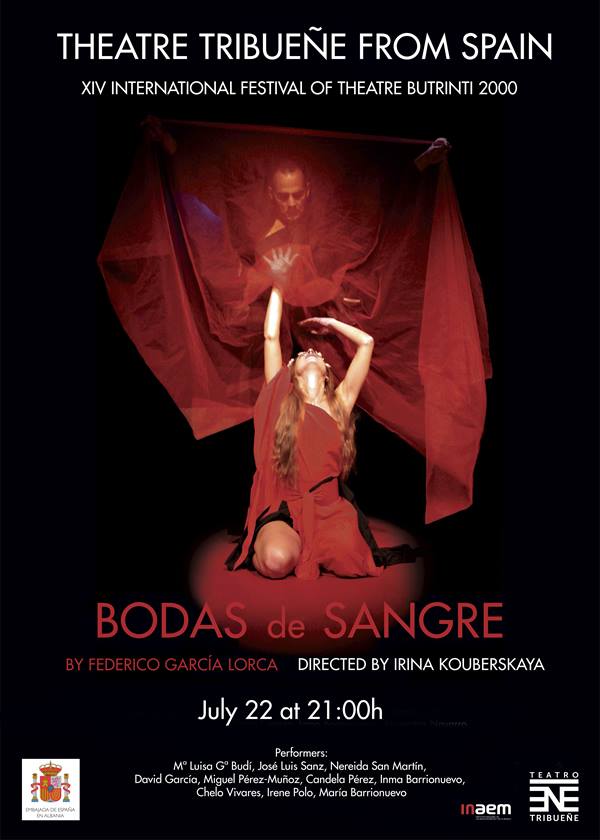
The festival will close on July 22 with “The Blood Wedding,” a performance by Madrid’s Theatre Tribuene, also written by Federico Garcia Lorca.
Alfred Bualoti, the festival’s director, says the budget awarded by the culture ministry for this year’s edition was drastically cut to 800,000 lek (Euro 5,700), enough only to bring one foreign troupe to Albania.
“The festival continues facing difficulties. The culture ministry, which considered this festival as an ordinary event, has awarded only half of last year’s funds, enough only for one troupe,” he said.
The local Saranda municipality and the National Tourism Agency have also provided some financial support for this year’s 14th edition.
Last year, the Butrint festival made its comeback after a one-year absence with five performances by Italian, Bulgarian, Macedonian and Albanian troupes.
The festival comes at a time when the town of Saranda, some 20 km from Butrint, is at the peak of its tourist season.
An exhibition featuring the best of Albania’s 20th century visual art is accompanying tourists to the southernmost Albanian town of Saranda, one of the country’s top travel destinations, this summer.
The local art gallery has opened a three-month exhibition featuring a collection of 50 artworks by some of Albania’s best 20th century artists, including socialist realism, also known as the “Creation of the models of the New Man,” a genre serving the communist regime propaganda cultivated between 1960 and 1986.
Tourists from neighboring Kosovo, Macedonia but also other European destinations pack Saranda’s beaches and its seaside promenade during summer.
“Saranda offers sunshine, beautiful beaches, but above all natural and human warmness. Saranda is a perfect destination for tourists of all kinds,” says Saranda Mayor Floriana Koka.
The coastal town has already been rated as one of the must visit towns for 2016.
The Butrint 2000 is an annual theatre festival that takes place on a historic site in the ancient Albanian town of Butrinti, on the shore of Lake Butrint. The festival was launched 16 years ago and has since presented works by Albanian artists, as well as more than 50 European and American companies. The festival is also an initiative to promote cultural tourism in Albania, and Butrint, the largest Albanian archeological park, which has been under UNESCO protection since the early 1990s after the collapse of communist regime.
Inhabited since prehistoric times, Butrint has been the site of a Greek colony, a Roman city and a bishopric. Following a period of prosperity under Byzantine administration, then a brief occupation by the Venetians, the city was abandoned in the late middle Ages after marshes formed in the area. The present archaeological site is a repository of ruins representing each period in the city’s development.
Excavations have brought to light many objects – plates, vases, ceramic candlesticks – as well as sculptures including a remarkable ‘Goddess of Butrint’ which seems to completely embody, in the perfection of its features, the Greek ideal of physical beauty.