TIRANA, Jan. 28 – A decision to pave the way to the construction of high-voltage power lines in the medieval Koman archaeological site as part of an Albania-Kosovo interconnection energy project has sparked debates among heritage specialists who oppose the Culture Ministry decision.
The Forum for Historic and Cultural Heritage, a non-governmental organization, has called on the Culture Ministry to review its decision which they say endangers one of Europe’s most important archeological sites that originates in the 6th through the 8th century A.D. around the area of Koman, northern Albania, and is considered to explain the transitioning from the Illyrian population to the Albanian one.
“The Illyrian civilization in Koman is in danger of extinction. The medieval settlement will be crossed by interconnection lines along the Drini valley. Four 50-metre high 400 kW pylons will be placed in the valley parallel to the archeological site hill,” says the forum which is made up of well known figures of public life.
Gjergj Bojaxhi, an energy expert who heads the forum, says the construction of the power pylons would bring an end to tourism in the area.
“The Culture Ministry must protect cultural heritage monuments and not the Energy Ministry,” says Bojaxhi.
“The cost of reviewing the project cannot compare to the cost of the destruction of one of the most important archeological sites not only in Albania,” he added.
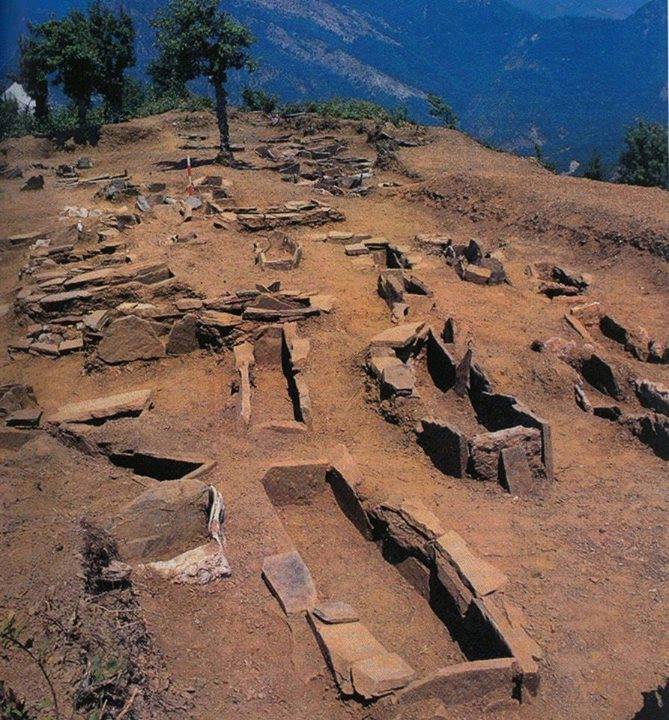
Archaeologist Etleva Nallbani says the Illyrian Koman settlement has a surface of 80 hectares and has been under government protection since the 1970s under communism. The site has attracted attention from renowned international archaeologists and researchers since the mid 19th century including Ippen, Hahn, Nopscha etc. Houses, furnaces, and several churches have been discovered in the site.
Since seven years, the settlement has been involved under a long-term scientific programme financed by Albanian and French institutions.
“Koman was a populated centre of bishops during the whole Middle Ages (VI to XVI centuries), which is also testified by the number of discovered tombs at around 500,” says archaeologist Nallbani.
As an important medieval settlement between the East and the West, two exhibitions have been scheduled about Koman in France in 2016 and 2017.
Reacting to the claims, the Culture Ministry said the protected areas are not affected by the project whose review would have a high cost because of the difficult terrain.