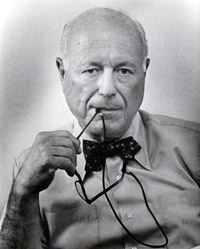
TIRANA, Nov. 10 – One of the most renowned photojournalists of his era, few people realize that George Tames, the New York Times White House photographer from 1945 – 1985, hails from Albanian roots.
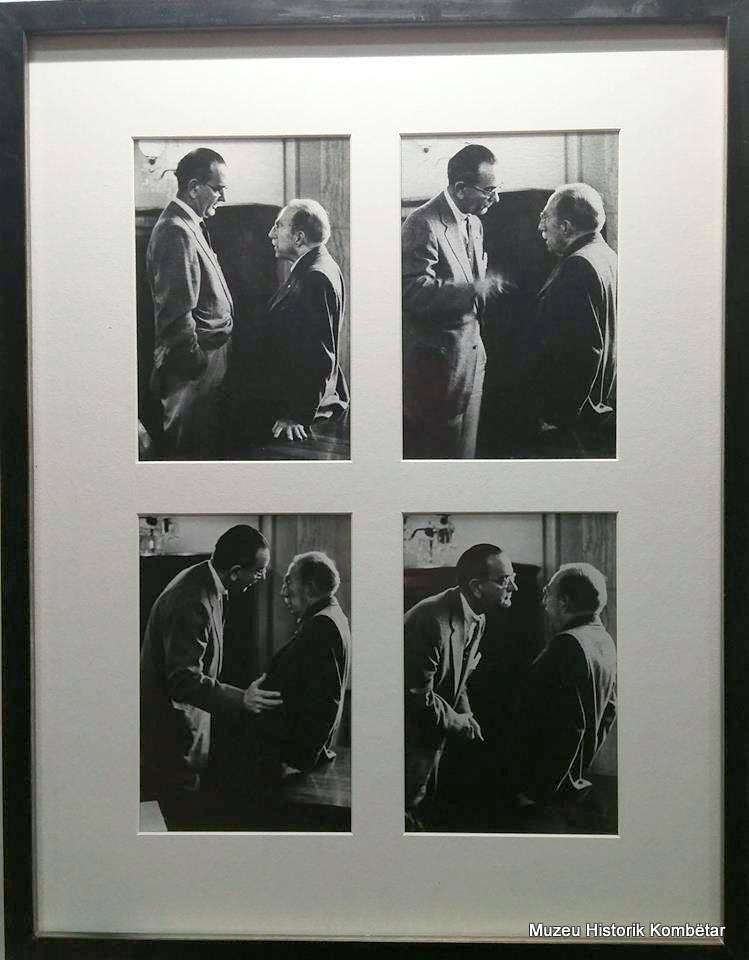
He developed a style contrary to the “herd instinct” of press photographers, demonstrating his artistic eye, sense of place, and special intimacy with his subjects. The ten presidents featured in the exhibit that has opened at Tirana’s National History Museum – from Franklin D. Roosevelt to George H.W. Bush – helped to shape the twentieth century. This exhibit juxtaposes images of these presidents with Albanian news reports about the world events important to each presidency. This juxtaposition brings Tames’ images into dialogue with the Albania of the Cold War years that he photographed and makes it possible to see how the discourses of the communist dictatorship shaped the Albanian imaginary of “America.”
“Not having a shared family history had a big effect on my father,” says Stephanie Tames, George Tames’ daughter, on the issues concerning the lack of family narrative concerning their Albanian heritage.
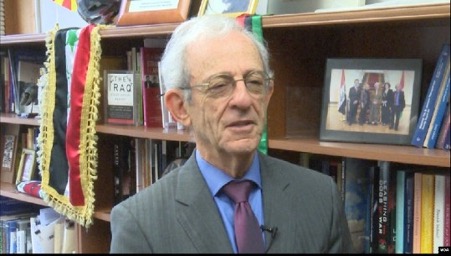
U.S. ambassador to Albania Donald Lu says George Tames portrays efforts and challenges of the President’s post, as well as America in general and not only triumphs. “The pictures also capture the human nature of American presidents,” he adds.
Melsi Labi, the director of Albania’s National History Museum, says this exhibition brought by Stephanie Tames will establish cooperation bridges between Albania and the U.S. and convey the message of finding friends where Albania once only saw enemies under communism.
“Who else could do this better other than Albanian-American George Tames. This exhibition is the biggest honor being made to photographer Tames, who was famous as a White House photographer but will also rise to fame in his parents’ homeland during the exhibition’s two-week display,” he added.
A team of research interns read hundreds of newspaper articles, from 1932 – 1992, to select text for this exhibition. “Our dialogue begins with them. This dialogue looks to the past in order to understand the present and imagine possibilities for the future. This encounter with histories lost to the young generation asks us to understand how those histories have shaped identities and to re-build, together, the communities that can sustain us. We deeply hope that this exhibition begins a conversation that will allow all of us to cross the borders in our minds and to speak, openly and with integrity, to each other,” organizers say.
The exhibition will be open at the National History Museum from November 8 to 21.