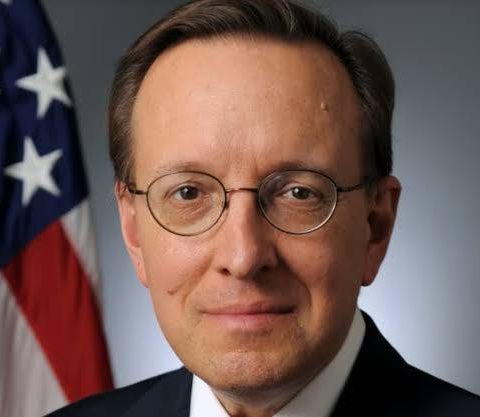
“It is exactly this festival held every five years which is the country’s biggest monument of intangible heritage, which should not only be preserved as an institution but also be tough and alive so that it is conveyed and inherited in the same way we preserve fortresses and archeological parks,” says Culture Minister Kumbaro
TIRANA, April 30 – More than 1,400 Albanian artists from Albania, Kosovo, Macedonia, Montenegro but also the Albanian communities in Italy, the U.S., Switzerland, Turkey are ready to participate in the tenth edition of the Gjirokastra folklore festival, one of the most important cultural heritage events held in the southern UNESCO town of Gjirokastra every five years.
Culture Minister Mirela Kumbaro, who has also been heading the festival’s organizing committee since the start of preparations last July, described the festival which has been regularly held every five years since the late 1960s under communism as a great treasure and the biggest monument of Albania’s intangible cultural heritage.
“It is exactly this festival held every five years which is the country’s biggest monument of intangible heritage, which should not only be preserved as an institution but should be tough and alive so that it is conveyed and inherited in the same way we preserve fortresses and archeological parks,” said Kumbaro at a conference ahead of the festival scheduled for May 10 to 16.
The whole of the historic town of Gjirokastra will turn for one week into a huge stage where apart from the festival’s regular programme, there will also be exhibitions, street art, movie projections, open air performances and several trade fair on handicraft, books, gastronomy, tourism and agriculture.
The festival’s special guests include jazz and folk singer Eda Zari, Albanian violin virtuoso Olen Cezari, the brass Fanfara Band and folklore bands from Ioannina, the Czech Republic.
“This event will be the best presentation of the Albanian traditions, culture and folklore through traditional values introduced through folklore costumes, music, lyrics and many other events,” says the Culture Ministry about the festival which serves to protect and promote the non-material cultural heritage.
“The organization of the National Folklore Festival in 2015 in Gjirokastra targets the preservation, protection and promotion of our best values in non-material heritage, ethno-musical, ethno-chorographical, ethnographic, folklore costumes and instruments, rites, traditions, crafts, culinary values established since centuries,” Culture Minister Mirela Kumbaro has said.
The Western Balkans Geotourism Mapguide describes the festival as the best offering of Albanian traditions, including music, instruments, folk art and colourful costumes. “One of the highlights of this festival is the iso-poliphony style of Albanian folk singing, which has been selected by UNESCO as an intangible cultural heritage.”
The local fortress and the town’s historic centre, both part of the UNESCO World Heritage list, will be the two venues of the festival which returns after its last 2009 edition.
Inscribed on UNESCO as a rare example of an architectural character typical of the Ottoman period, Gjirokastra, situated in the Drinos river valley in southern Albania, features a series of outstanding two-story houses which were developed in the 17th century. The town also retains a bazaar, an 18th-century mosque and two churches of the same period. The 13th-century citadel provides the focal point of the town with its typical tower houses.