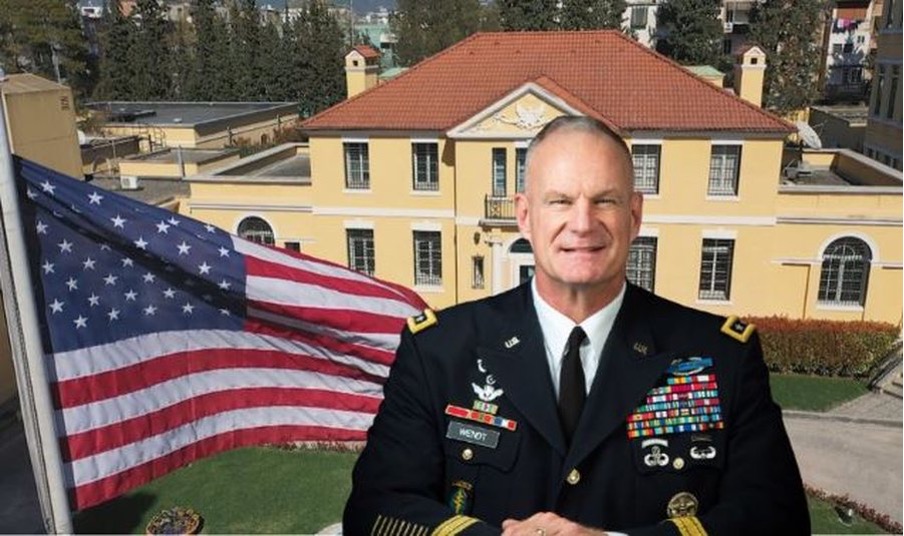
Defense cooperation, economic ties and the fight against transnational crime take center stage in Eric Wendt’s agenda, signaling a more pragmatic approach to U.S.-Albanian relations.
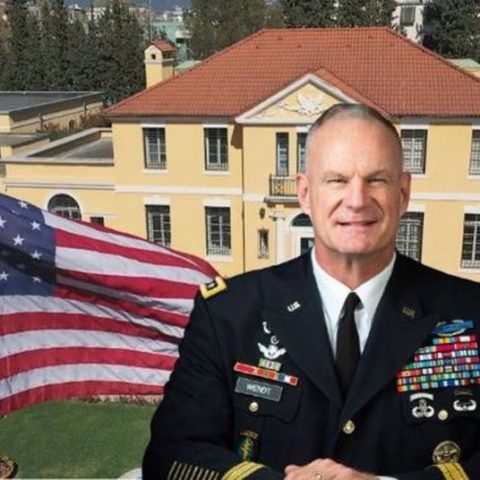
TIRANA, Albania – U.S. Ambassador to Albania Eric Wendt has identified defense cooperation, increased trade and investment, and the fight against transnational crime as Washington’s three principal priorities in its relations with Albania, outlining an agenda focused on shared security and economic interests.
In a video message released by the U.S. Embassy in Tirana on Nov. 6, Wendt said his mission would seek to make both countries stronger, more prosperous and safer through closer cooperation and mutually beneficial initiatives.
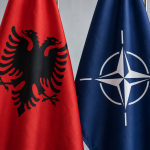
The first priority concerns strengthening Albania’s defense capabilities and ensuring that both countries meet their responsibilities as NATO allies. Wendt emphasized the importance of developing effective military capabilities and equitable burden-sharing, an approach consistent with President Donald Trump’s longstanding demand that European allies assume greater responsibility for their defense.
The second priority is expanding bilateral trade and investment, an area where relations have remained relatively modest despite the strong political and military partnership between the two countries. Wendt pledged to pursue new economic opportunities that would benefit Americans and Albanians alike.
The emphasis on economic relations suggests a more interest-driven approach to the partnership, potentially opening opportunities in energy, infrastructure and other strategic sectors. However, attracting significant American investment will also depend on Albania’s ability to provide a predictable business environment, legal certainty and transparent competition.
The third priority focuses on strengthening cooperation against transnational crime and protecting shared security interests. Fighting organized crime and corruption has long been central to U.S. engagement in Albania, particularly through American support for judicial reform and law enforcement institutions.
Wendt also announced that the embassy would conduct an assessment of bilateral relations over the coming months to help determine the direction of future cooperation. He plans to travel throughout Albania and consult elected political leaders, government officials, military commanders, business representatives, legal professionals and citizens.
The announcement is significant because it suggests that the new ambassador intends to review the existing framework of bilateral cooperation before defining a more detailed agenda.
A retired U.S. Army lieutenant general and former commander of NATO Special Operations Headquarters, Wendt brings extensive military and security experience to the position. He formally assumed his duties in September, ending a prolonged period during which the U.S. Embassy in Tirana had been led by temporary diplomatic representatives following the departure of Ambassador Yuri Kim in 2023.
The priorities outlined in his video largely correspond to those he presented during his confirmation process in Washington. They also reflect the Trump administration’s broader emphasis on defense burden-sharing, economic reciprocity and security cooperation.
Yet the message is notable for what it does not explicitly address.
For decades, American policy toward Albania has combined security cooperation with strong support for democratic institutions, the rule of law, judicial independence and European integration. The U.S. Embassy’s 2022 country strategy specifically identified strengthening Albania’s democracy as one of its three principal objectives.
In Wendt’s latest formulation, democracy and European integration do not appear as separate priorities. This does not necessarily indicate a departure from Washington’s longstanding commitments, but it does suggest a different emphasis in the presentation of American interests.
The message comes amid sustained anti-government protests and growing political tensions in Albania, with questions about institutional accountability and the independence of the justice system increasingly dominating domestic political debate. Wendt made no direct reference to the political crisis.
The United States has played a decisive role in Albania’s modern history, supporting its postcommunist democratic transformation, NATO membership and broader Western orientation. Its leadership was also central to NATO’s 1999 intervention in Kosovo and subsequent support for Kosovo’s independence.
That historical partnership remains strong, but its future development will increasingly depend on the ability of both countries to identify concrete shared interests and translate them into practical cooperation.
Wendt’s three priorities suggest that defense, economic relations and security will dominate the immediate American agenda. Whether democratic governance and institutional reform will retain their traditional prominence may become clearer as the embassy completes its assessment and the new ambassador begins translating his priorities into policy.
For Albania, the challenge will be to turn a historically close political and strategic relationship into a more substantial partnership while ensuring that stronger economic and security cooperation also contributes to the country’s democratic development.