TIRANA, Albania — Albania needs an estimated 9.8 billion euros ($11.3 billion) to bring its environmental infrastructure and regulations into line with European Union standards, Environment Minister Sofjan Jaupaj said Friday, highlighting the financial challenge the country faces as it advances toward EU membership.
The investment would need to improve drinking water supply, wastewater treatment, waste management, air quality, and broader environmental protection. Jaupaj said Albania had already aligned about 70% of approximately 400 environmental laws and regulations with EU requirements, but acknowledged that completing the process would require substantial external financing.
“Chapter 27 is considered the most difficult chapter because it covers 11 separate areas, including waste management, drinking water, wastewater and air quality,” Jaupaj said in an interview with News Line. He added that the estimated cost was too high for Albania to cover through its national budget alone. “With cohesion funds and the EU budget, we can meet these needs; relying solely on the state budget is impossible,” he said.
The minister said Albania aims to conclude negotiations on Chapter 27, which covers environment and climate change, by autumn 2027. He also acknowledged shortcomings in environmental policy over the past two decades, pointing to the continued availability of plastic bags despite existing restrictions and enforcement efforts.
The European Union has also raised concerns about Albania’s environmental record. EU Ambassador to Albania Sofia Moreira de Sousa said in a recent assessment of the country’s accession progress that “on the environment, progress has been limited,” citing changes to legislation on protected areas and repeated extensions of the strategic investments law as factors that have weakened nature protection. She stressed that major development projects would be assessed against EU environmental standards.
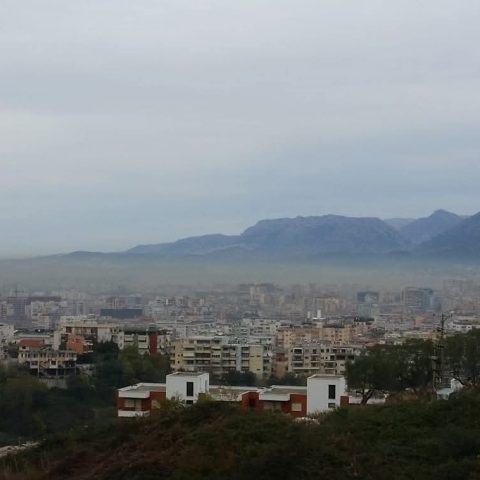
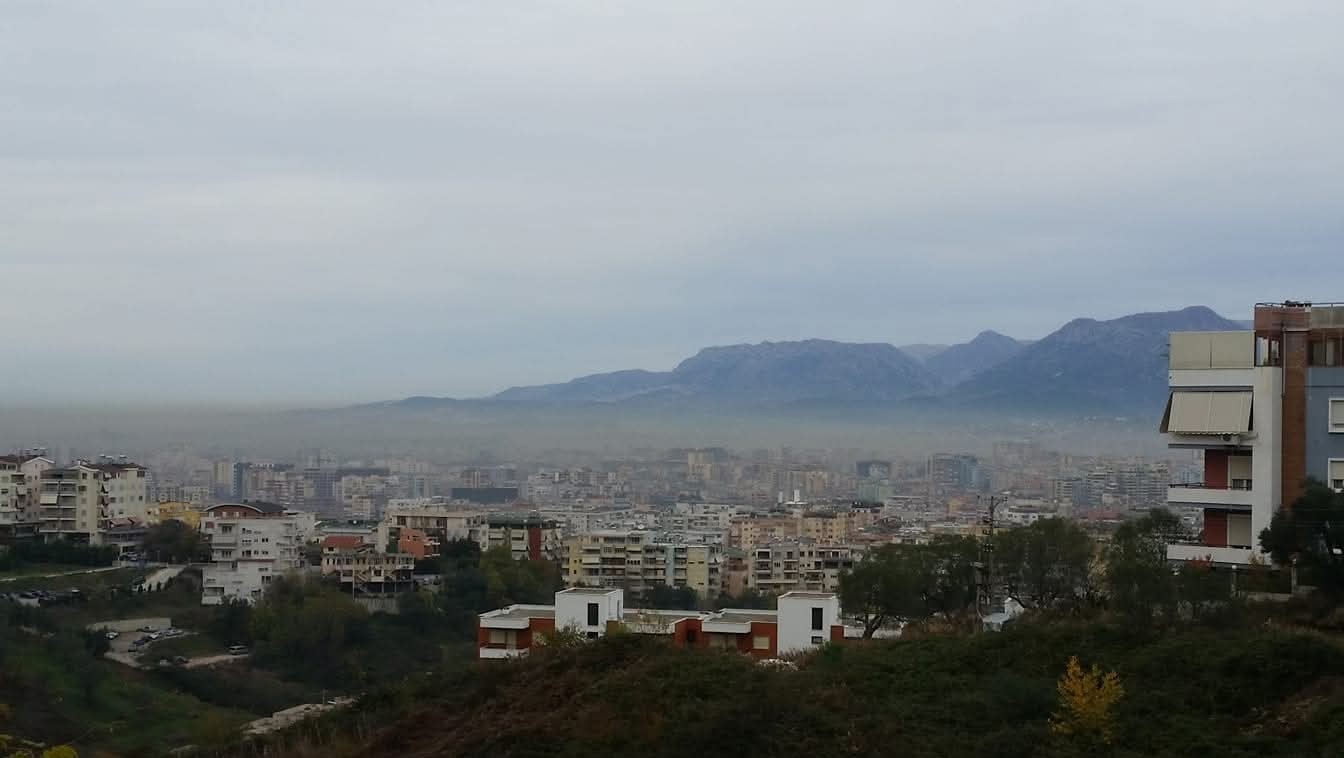
The scale of the challenge is also reflected in Albania’s environmental indicators. According to the World Bank, the country’s average annual exposure to fine particulate matter (PM2.5) reached 15.51 micrograms per cubic meter in 2023, more than three times the World Health Organization’s recommended annual guideline of 5 micrograms. While approximately 71% of the population had access to safely managed drinking water services in 2022, only 19% of domestic wastewater flows were safely treated, according to WHO data. Meanwhile, protected terrestrial and marine areas covered approximately 18% of Albania’s territory in 2025, highlighting the continued need to strengthen biodiversity conservation and nature protection.