The Kingdom ranks first among 194 countries and territories assessed by the United Nations for online government services and rises to fourth place worldwide in overall e-government development, achieving a major target of Crown Prince Mohammed bin Salman’s Vision 2030 four years ahead of schedule.
TIRANA, Albania – Saudi Arabia has ranked first globally in the United Nations Online Service Index (OSI), marking a major achievement in the country’s digital transformation and the implementation of Vision 2030, the ambitious national development strategy initiated by Crown Prince and Prime Minister Mohammed bin Salman.
According to the UN E-Government Survey 2026, Saudi Arabia achieved the highest possible score in the Online Service Index, which measures the quality, availability and development of digital government services. The report covers 194 countries and territories, including all 193 UN member states and Palestine.
The Kingdom also climbed to fourth place globally in the overall E-Government Development Index (EGDI), up from sixth in 2024 and 52nd in 2018. This remarkable rise of 48 places in eight years reflects substantial investments in digital infrastructure and the modernization of public administration.
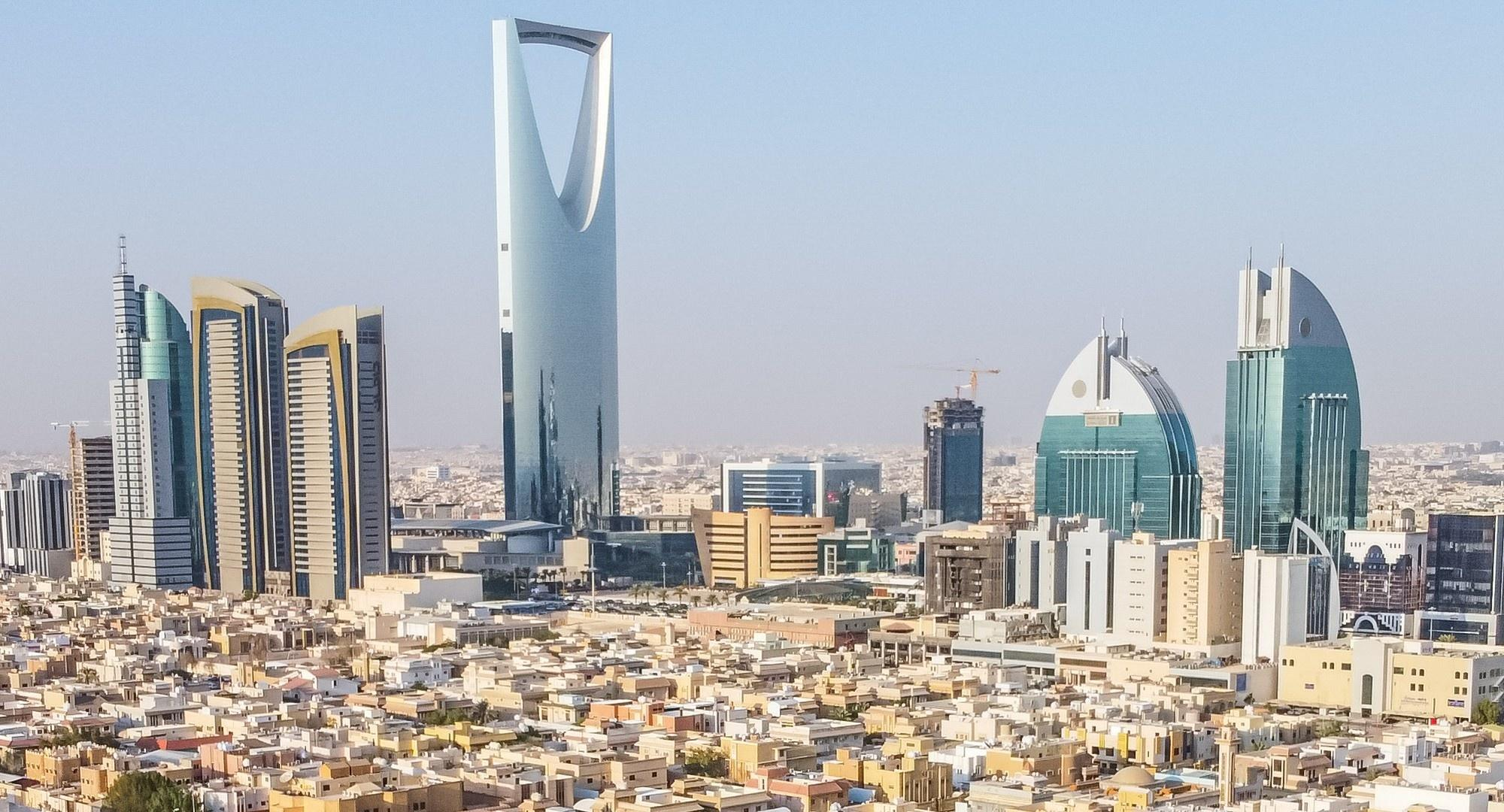
With this result, Saudi Arabia has achieved its Vision 2030 target of ranking among the world’s top five countries in e-government development four years ahead of schedule. The Kingdom also ranked first in several other indicators, including telecommunications infrastructure and digital participation. Riyadh, the Saudi capital, was likewise ranked first globally in the Local Online Service Index (LOSI).
This achievement is directly linked to Saudi Vision 2030, launched on April 25, 2016, by Crown Prince Mohammed bin Salman, with the support of King Salman bin Abdulaziz Al Saud.
Vision 2030 aims to transform the Kingdom’s economy and institutions, reduce dependence on oil revenues, diversify economic activity, expand the private sector and attract international investment. The strategy rests on three main pillars: a vibrant society, a thriving economy and an ambitious nation. Government modernization, technological innovation and digital transformation are central priorities of the Crown Prince’s reform agenda.
The digitalization of public services is intended to improve institutional efficiency and transparency, simplify administrative procedures and strengthen the business environment by providing citizens and investors with faster access to government services.
Digital platforms such as Absher, which enables users to complete administrative procedures online, and Tawakkalna, which provides access to more than 1,100 services from various institutions, have played an important role in this transformation. These platforms have reduced the need for in-person visits to government offices, simplifying procedures and saving time for citizens, residents and businesses.
According to the Saudi Digital Government Authority, the Digital Experience Maturity Index for Government Services reached 87.06% in 2026. This indicator reflects improvements in the performance of digital platforms and the quality of electronic services. Saudi Arabia also ranked second globally in the World Bank’s GovTech Maturity Index for 2025.
Saudi Minister of Communications and Information Technology Abdullah Al-Swaha attributed the achievement to the support of King Salman and Crown Prince Mohammed bin Salman, emphasizing that Vision 2030 has placed technology and innovation at the heart of national development and international competitiveness.
Ahmed Al-Suwayan, Governor of the Digital Government Authority, said the results reflected progress in digital transformation and coordination among government institutions. He emphasized that citizens are essential partners in this process and that their needs guide the development of new services, including the use of artificial intelligence to improve the quality and accessibility of public services.
Established in 2021, the Digital Government Authority has played a central role in coordinating the digitalization of public administration, developing technological standards and establishing integrated platforms for government services.
The United Nations E-Government Survey, published every two years, is considered one of the leading international assessments of digital government development. It measures three main dimensions: online services, telecommunications infrastructure and human capital.
The latest ranking represents international recognition of Saudi Arabia’s progress in modernizing public administration and achieving one of the principal objectives of Vision 2030. It also highlights the increasingly important role of technology and innovation in the Kingdom’s broader economic and institutional reform agenda as the country enters the final four years of its journey toward Vision 2030.