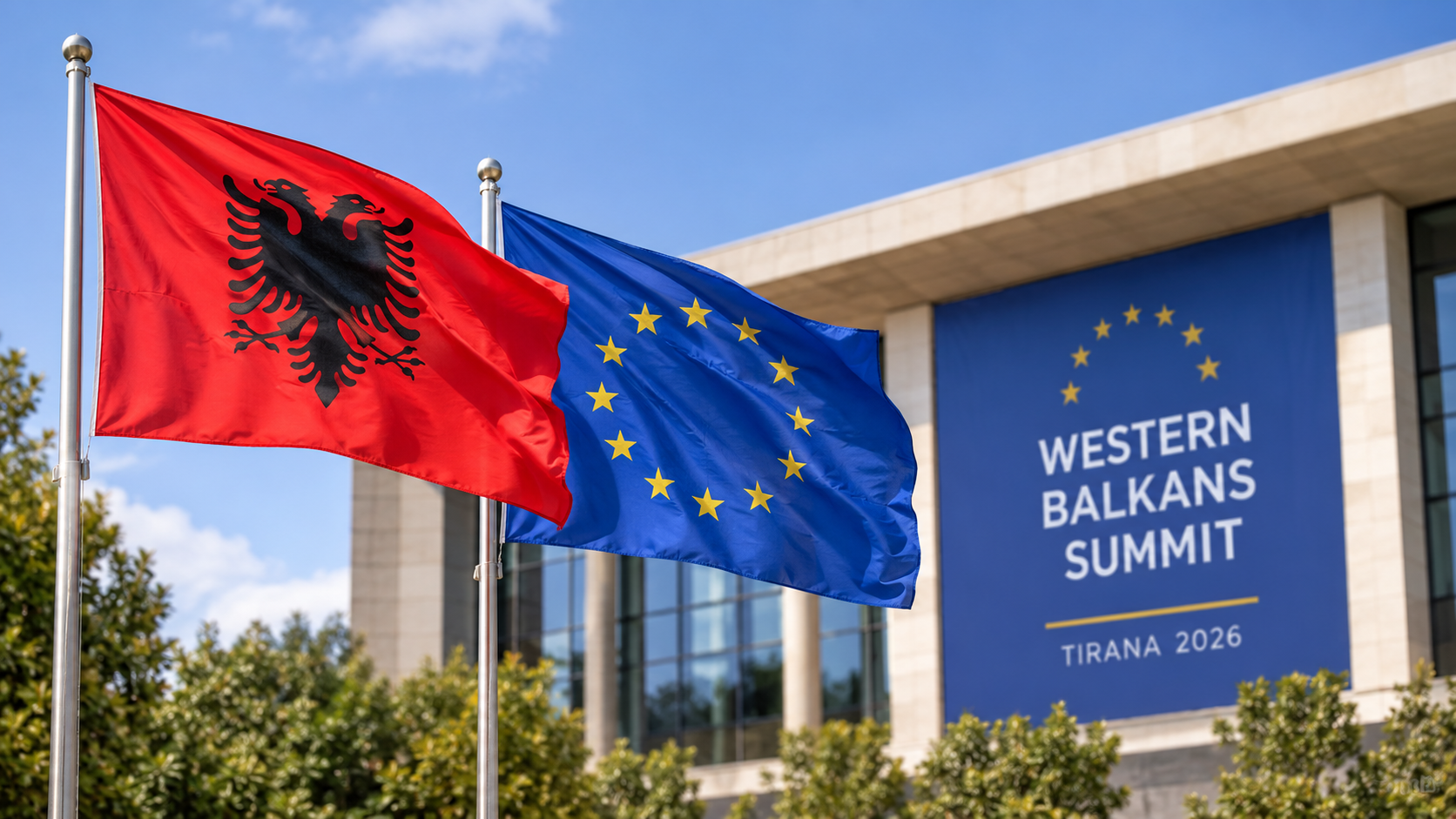
The summit is expected to assess the implementation of the EU’s Growth Plan, identify priorities for accelerating reforms, and strengthen economic integration between the Western Balkans and the EU.
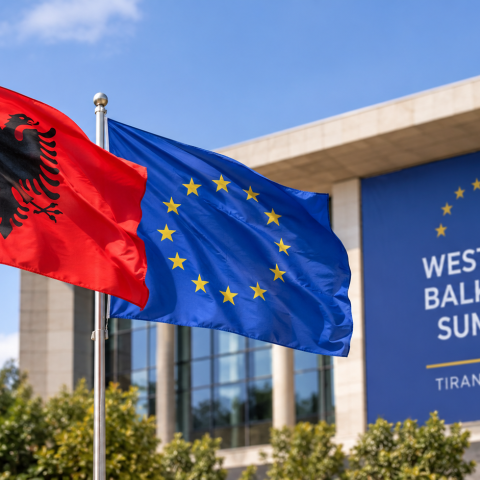
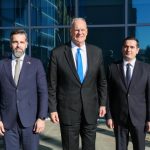
TIRANA, Albania – Albania’s push to join the European Union comes under the spotlight this Friday as Tirana hosts the Western Balkans Leaders’ Summit on the Growth Plan, bringing together regional leaders and European Commissioner for Enlargement Marta Kos to discuss reforms, economic integration, and the region’s path toward EU membership.
Held under the theme “Reform, Growth, Integration – Towards Europe Together,” the meeting at the Palace of Brigades comes at a sensitive moment for Albania, which has made significant progress in opening accession negotiations but continues to face criticism over democratic standards, corruption, political accountability and the independence of institutions.
The summit is expected to assess the implementation of the EU’s Growth Plan, identify priorities for accelerating reforms, and strengthen economic integration between the Western Balkans and the EU. Prime Minister Edi Rama and Kos are scheduled to hold a joint news conference following the meeting.
Accession progress versus democratic shortcomings
Albania has positioned itself among the region’s frontrunners in the accession process, having opened all 33 negotiating chapters and provisionally closed four.
The government has set the end of 2027 as its target for concluding negotiations, but the European Commission’s 2026 Enlargement Report makes clear that progress on technical requirements must be accompanied by substantial improvements in democratic governance and the rule of law.
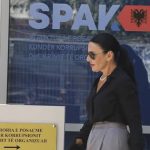
The report highlights persistent political polarisation, insufficient parliamentary oversight of the government, limited public consultation and the urgent need for comprehensive electoral reform ahead of the 2027 local elections. It also raises concerns about media independence, opaque media financing, pressure on journalists and the concentration of media ownership. While acknowledging SPAK’s continued independence and results in investigating high-level corruption and organised crime, the Commission stresses that corruption remains a serious challenge and that further efforts are needed to strengthen its prevention.
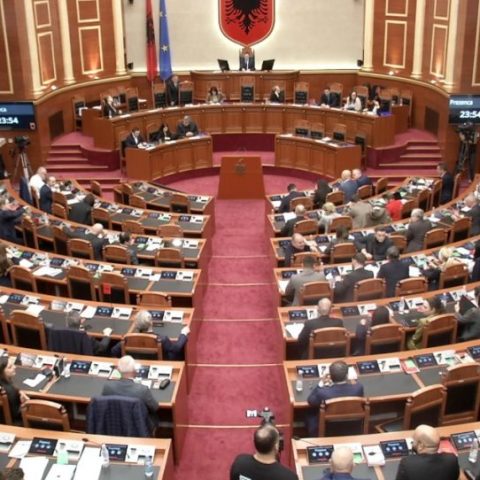
These concerns were brought directly to Kos during a meeting of Albania’s National Council for European Integration on Thursday, when Redi Muçi, a lawmaker from the Together Movement (Lëvizja Bashkë), challenged what he described as the Commissioner’s unconditional political support for Rama’s government.
Muçi argued that Brussels risks undermining its own credibility by prioritising the government’s progress in aligning legislation with EU standards while overlooking alleged violations of democratic principles and the rule of law. Addressing Kos, he warned that her support for Rama was damaging the EU’s reputation and fuelling EU-scepticism among Albanians.
“Albanians want democracy and the rule of law now, not after we join the EU,” Muçi said, arguing that Rama was using the accession process to justify remaining in power. He urged the commissioner to hold Rama accountable for what he described as a series of violations, while stressing that he supports Albania’s European integration and believes it is a process worth fighting for.
Kos offered a more positive assessment of Albania’s progress at Friday’s summit, announcing that the country had implemented 80% of the reforms required under the EU’s Growth Plan for the Western Balkans and would receive €185.6 million in its fourth payment tranche.
“Albania has implemented 80% of the required reforms and will receive €185.6 million from the Growth Plan,” she said, adding that the funds were intended to reward countries that had made the greatest reform efforts. Albania and Montenegro will receive 15% more under the latest allocation, while North Macedonia will receive 10% more. The commissioner also stressed that gradual integration into the EU’s single market and institutions would not replace full membership, but would allow Western Balkan countries to benefit from closer ties with the bloc before accession. Her remarks offer a clear indication of Brussels’ recognition of Albania’s measurable progress, although the funding concerns the Growth Plan rather than the completion of EU accession requirements.
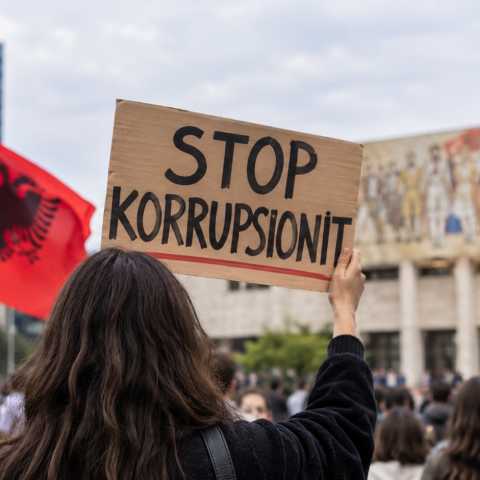
The financial recognition comes alongside a more demanding message from Kos on the country’s democratic responsibilities. Speaking to the National Council for European Integration on Thursday, she said that the European Commission does not take sides in Albania’s domestic political debate and stressed that EU membership means joining a community of democracies, not simply aligning national legislation with European rules. She also said that peaceful protests are part of democratic processes and that concerns raised by citizens over corruption, transparency and environmental protection should be taken seriously.
For Albania, the Growth Plan represents both an economic opportunity and another test of its ability to deliver on EU commitments. Beyond the financial benefits, closer integration could improve access to European markets, facilitate cross-border payments, strengthen transport and energy connections and create opportunities for businesses and workers. However, the EU has made clear that funding is conditional on the implementation of agreed reforms, with delays or failures potentially holding back disbursements.