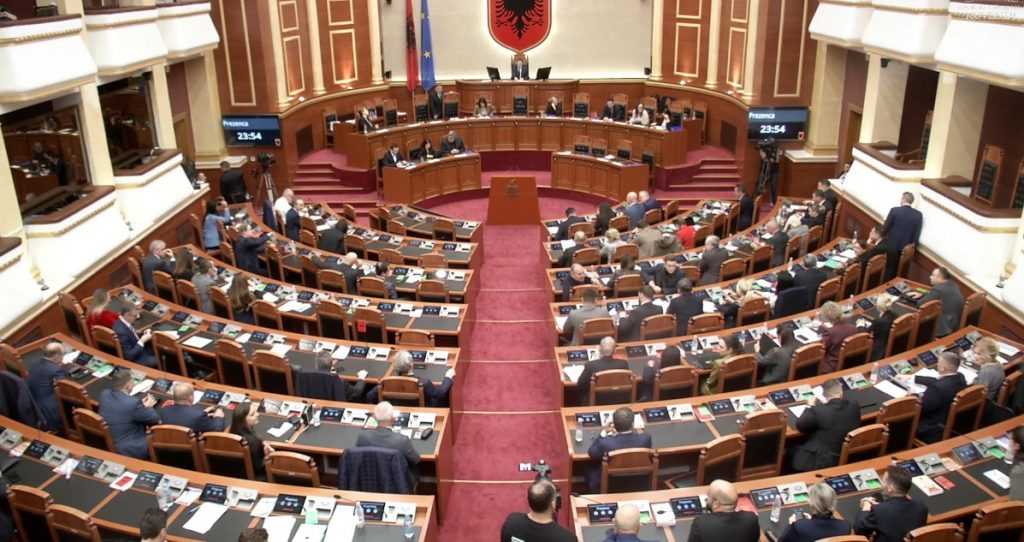
The governing majority rejected all opposition amendments, presenting the budget as a framework for strengthening social protection and supporting economic growth.
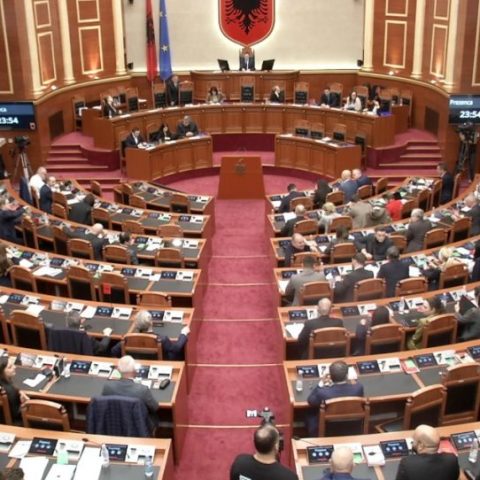
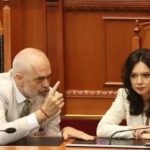
TIRANA, Albania – Albania’s Parliament approved the country’s €10 billion state budget for 2027 early Friday, following a 17-hour plenary session marked by heated debate between the governing Socialist Party and opposition lawmakers. The budget passed with 80 votes in favor and 22 against, with no abstentions, becoming the largest state budget in the country’s history.
Lawmakers also approved five bills forming the 2027 fiscal package, introducing changes to income taxation, value-added tax (VAT), tax procedures, national taxes, and excise duties. The governing majority rejected all opposition amendments.
The government has presented the budget as a framework for strengthening social protection, supporting economic growth, and increasing public investment. Total expenditure is projected at approximately 976 billion lek (around €10 billion), while revenues are expected to reach 908 billion lek, with the budget deficit forecast at 2.3% of gross domestic product (GDP).
Around 30% of spending is allocated to social protection, including pension support and assistance for vulnerable households. The budget also provides 201.5 billion lek for public investment, equivalent to 6.9% of GDP, covering infrastructure, public services and development projects. Among the main social measures are the doubling of monthly pension bonuses from January 2027 and bringing forward annual pension indexation from July to April.
The accompanying fiscal package introduces several changes to the country’s tax system. The standard VAT rate will increase from 20% to 21%, while VAT on 54 essential food products, including bread, milk, eggs, meat, fruit and vegetables, will fall to 6% starting Jan. 1, 2027. The VAT registration threshold for businesses will also be lowered from 10 million to 5 million lek in annual turnover.
Other measures include raising the dividend tax from 8% to 15% and changes to vehicle and excise taxes, including gradual increases in tobacco duties. The government says the changes aim to redistribute the tax burden, reduce the cost of essential goods and strengthen public revenues.
The fiscal package had faced strong opposition from business representatives even before reaching its final parliamentary vote. Sixteen chambers of commerce and business associations called for its revision and further consultation, warning that higher taxes and the lower VAT registration threshold could increase costs for businesses and consumers.
During the parliamentary debate, Democratic Party lawmaker Jorida Tabaku argued that lowering the threshold from 10 million to 5 million lek would bring approximately 17,500 additional businesses into the VAT system, placing further pressure on small enterprises and self-employed professionals. Finance Minister Petrit Malaj defended the changes as a redistribution of the tax burden rather than an overall tax increase.
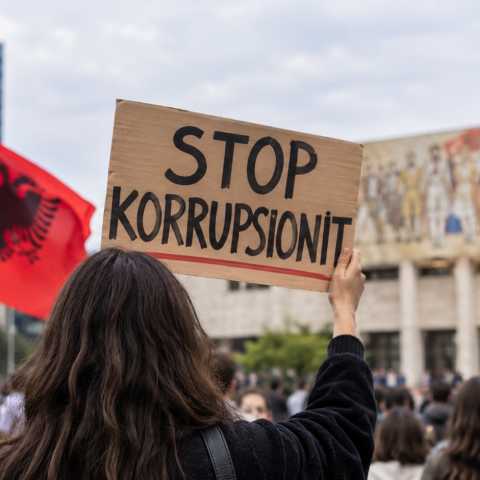
The opposition voted against the budget, arguing that its provisions do not adequately address the economic difficulties households face in Albania and demanding greater financial assistance for pensioners and people in need. Lawmakers also sought broader tax relief, including exemptions for additional essential services, but their proposed amendments were rejected.
The budget debate took place amid wider political tensions, with opposition representatives also criticising government policies on taxation and public spending. With its approval, the 2027 budget now sets the financial framework for the government’s priorities in the coming year, although its impact on household incomes, public services, and the wider economy will ultimately depend on how effectively the planned measures are implemented.